
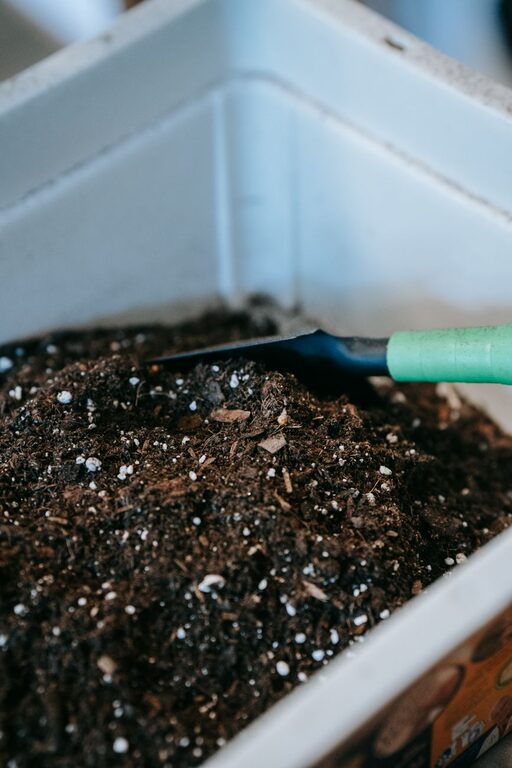
Composting at home is a fantastic way to reduce waste, enrich your garden soil, and help the environment. If you’re new to composting, the process might seem a little complicated at first. However, with some basic knowledge and simple steps, you can easily start turning your kitchen scraps and yard waste into nutritious compost that benefits your plants.
What is Composting?
Composting is the natural process of recycling organic materials like food scraps and yard waste into a rich soil amendment called compost. This dark, crumbly material helps plants grow by improving soil structure, moisture retention, and nutrient content.
Why Compost at Home?
– Reduce Waste: Composting diverts organic waste from landfills, reducing methane emissions and landfill space.
– Save Money: Homemade compost reduces the need to buy commercial fertilizers.
– Healthier Plants: Compost adds valuable nutrients and improves soil health.
– Eco-Friendly: It supports sustainable gardening by recycling materials naturally.
Getting Started: What You’ll Need
To start composting at home, gather the following items:
– A Compost Bin or Pile: Use a store-bought compost bin, a homemade bin, or simply create a designated pile in your yard.
– Organic Materials: These are the “ingredients” for compost, including greens and browns.
– Water: Moisture is essential to help break down organic matter.
– A Pitchfork or Shovel: For turning the compost regularly.
Understanding Greens and Browns
Composting depends on balancing two types of materials:
– Greens: Nitrogen-rich items such as fruit and vegetable scraps, coffee grounds, fresh grass clippings, and plant trimmings.
– Browns: Carbon-rich materials like dry leaves, straw, shredded paper, cardboard, and small branches.
A good rule of thumb is to maintain a ratio of roughly 2 to 3 parts browns to 1 part greens. This balance helps microorganisms break down materials efficiently and prevents odors.
What to Compost and What to Avoid
Compostable Items
– Fruit and vegetable scraps
– Coffee grounds and filters
– Tea bags (without synthetic materials)
– Eggshells (crushed)
– Yard waste (leaves, grass clippings, small twigs)
– Shredded paper and cardboard (plain, no glossy finishes)
Items to Avoid
– Meat, fish, and dairy products (can create odors and attract pests)
– Oily or greasy food scraps
– Pet waste
– Diseased plants
– Weeds that have gone to seed
– Glossy or colored paper
Step-by-Step Guide to Home Composting
Step 1: Choose a Composting Location
Pick a spot in your yard that’s convenient, has good drainage, and receives some sunlight. If you have limited space, consider a compost bin or tumbler designed for small areas or even indoor composting options like worm bins.
Step 2: Start Your Compost Pile or Bin
Begin by layering browns and greens. A good starting layer is about 3 to 6 inches of coarse browns like twigs or straw to provide airflow at the bottom. Then add a layer of greens about 2 to 4 inches thick.
Step 3: Add Waste Regularly
Add kitchen scraps and yard waste in layers, covering fresh greens with browns each time. This helps control odors and speeds decomposition.
Step 4: Maintain Moisture
Your compost should be as moist as a wrung-out sponge. Water it occasionally if it becomes dry, especially in hot weather.
Step 5: Turn Your Compost
Turning or mixing the compost every one to two weeks introduces oxygen to the pile, which is essential for the microbes that decompose the waste. Use a pitchfork or compost aerator for this step.
Step 6: Monitor and Wait
Composting typically takes several months. You’ll know it’s ready when the material looks dark, crumbly, and earthy, with no recognizable food scraps.
Troubleshooting Common Composting Issues
– Foul Odor: Often caused by too many greens and not enough browns or poor aeration. Add dry leaves or shredded paper and turn the pile.
– Pile Too Dry: Add water and more green materials.
– Pile Too Wet and Soggy: Add more browns and turn the pile to improve airflow.
– Slow Decomposition: Chop materials into smaller pieces, maintain moisture, and turn regularly.
Tips for Success
– Chop or shred larger materials to speed up composting.
– Avoid adding large quantities of citrus or onion scraps as they can affect the pH balance.
– Use a compost thermometer if you want to track the pile’s temperature and ensure it’s active.
– Worm composting (vermicomposting) is a great alternative for indoor composting enthusiasts.
Using Your Finished Compost
Once your compost is ready, use it to:
– Enrich garden beds and flower pots
– Top-dress lawns for added nutrients
– Mix into potting soil for houseplants
– Mulch around trees and shrubs
This natural fertilizer helps retain moisture, suppress weeds, and improve soil fertility.
Final Thoughts
Starting composting at home may seem intimidating, but it’s a rewarding and eco-friendly habit that anyone can develop. By understanding the basics and following some simple steps, you’ll soon be transforming everyday waste into a valuable resource for your garden. Composting not only benefits your plants but also helps reduce your household’s environmental footprint.
Happy composting!